More Gasket Manufacturers
Gaskets are indispensable components in countless industrial applications, ensuring safe and efficient operations in sectors where reliability is non-negotiable. Whether you are seeking custom gasket solutions or mass-produced seals, understanding their uses, materials, and performance factors is vital for industries such as aerospace, defense, automotive, energy, medical devices, transportation, plumbing, and manufacturing.
From compressors, airframes, and business machines to medical equipment, meters, elevators, escalators, turbines, valves, engines, and plumbing systems, gaskets ensure leak-free connections, control pressure, and prevent contamination—making them essential for both critical and everyday applications.
The History of Gaskets
The origins of gaskets date back to 1820 with the creation of solid iron sulfate seals, crafted from a blend of sulfur powder, packed iron filings, and water. Alongside these early factory-made seals, people improvised gaskets using materials at hand, such as rope packed with tar or lubricant, or leather for water pumps—though leather’s susceptibility to water limited its longevity and effectiveness.

Gaskets – Premier Seals Manufacturing
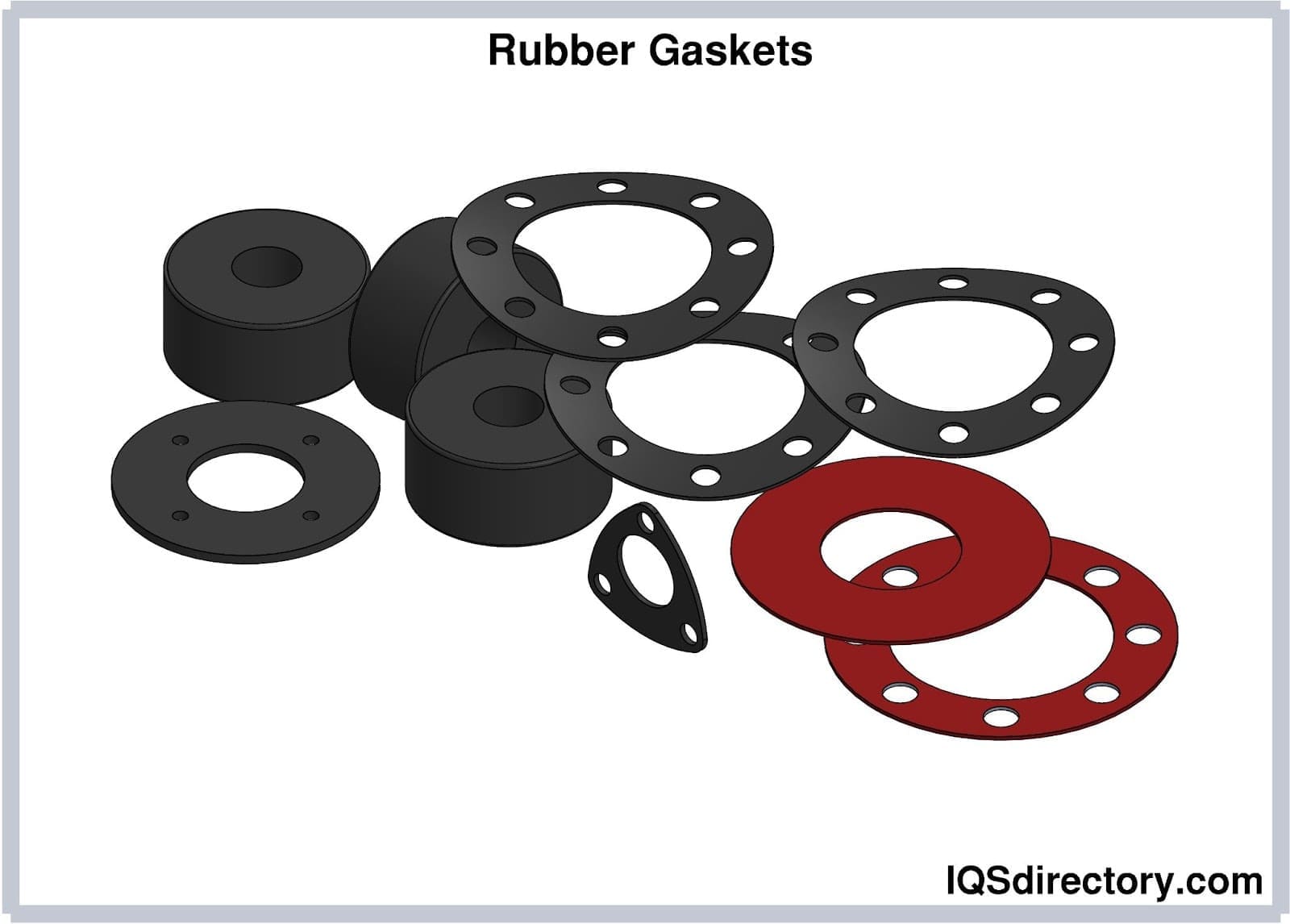
Industrial gasket technology advanced dramatically with the patenting of the vulcanization process by Charles Goodyear and others in 1845. Vulcanization made it possible to produce both natural and synthetic rubber gaskets, each tailored for attributes like chemical resistance, high-temperature performance, corrosion resistance, and impact resilience. As a result, rubber gaskets quickly rose to prominence and remain the most widely used sealing solution in modern industry.
The introduction of the first asbestos gasket in 1899 marked another milestone, enabling reliable sealing for trains, ships, and containers carrying hazardous or high-temperature materials. However, after the 1980s, the use of asbestos waned due to its health risks, and strict regulations now prohibit its inclusion in most modern gasket manufacturing processes.
Gasket failures have underscored their critical importance in high-stakes applications. The tragic 1986 Challenger space shuttle disaster, caused by an O-ring seal failure, led to sweeping changes in gasket quality assurance and regulatory oversight. Today, rigorous standards and testing ensure that gaskets deliver maximum reliability, particularly in mission-critical systems.
Modern gasket and seal manufacturers continue to innovate, offering highly durable, custom-engineered products. Advances in testing, materials, and automation have secured the gasket’s place as an essential safety and performance component across a wide range of industries.
Design
Production
Gasket production methods are selected based on application demands, desired material properties, and required precision. The most common techniques include:
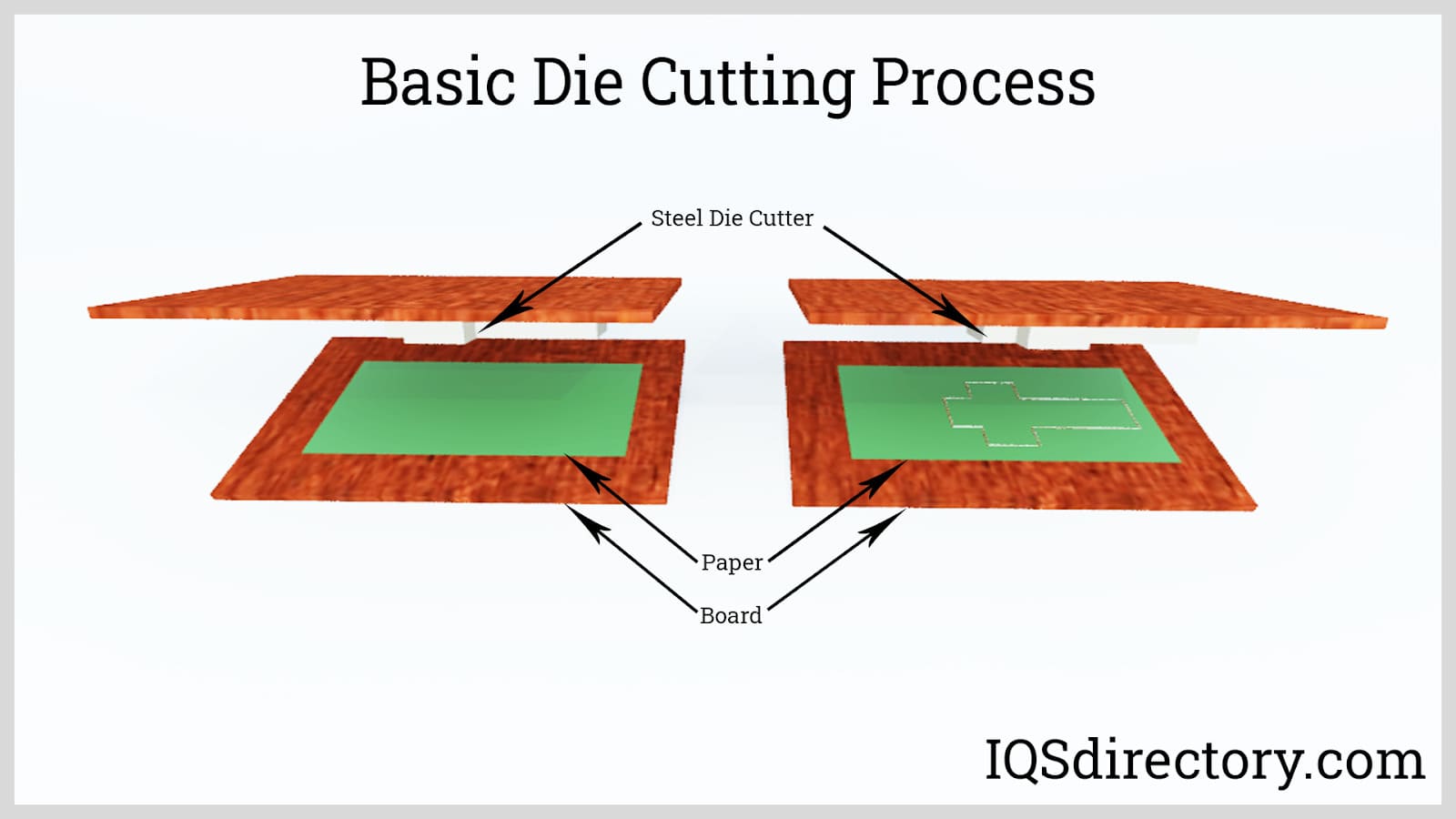
- Die-cutting: Enables efficient production of gaskets from flat metal sheets or rubber, allowing for both standard and custom shapes. This method is ideal for high-volume orders and industries such as automotive, HVAC, and electronics.
- Rubber injection molding: Used for creating thicker, more durable gaskets where high strength is essential. This process is prevalent in heavy machinery, construction, and energy sectors.
- Water jet cutting and laser cutting: Offer precision for complex shapes and intricate designs, making them suitable for prototyping and low-volume, high-customization applications.
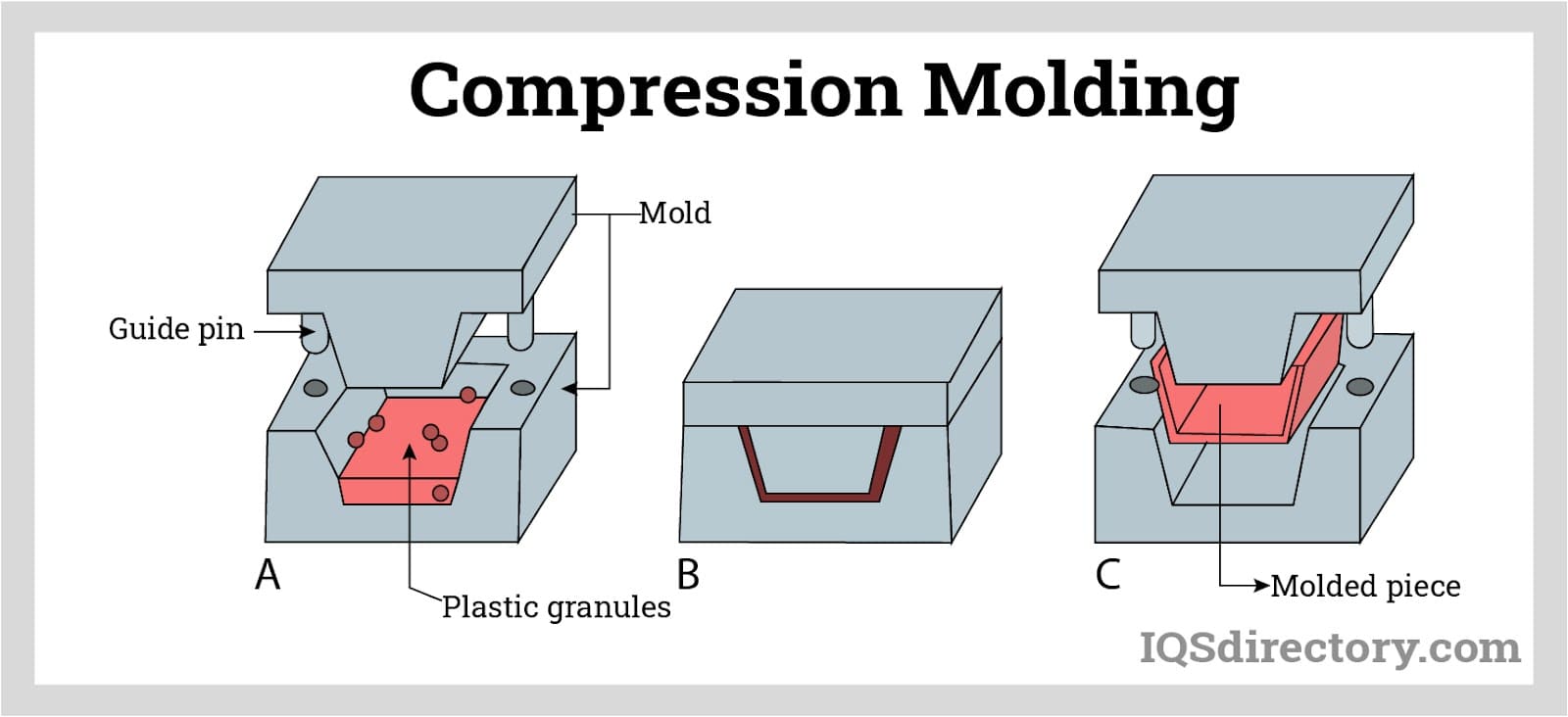
- Compression molding: Produces gaskets with uniform thickness and density, often used for elastomeric and rubber compounds in industries requiring tight tolerances and repeatability.
Are you seeking guidance on which gasket manufacturing process is best for your project? Connect with leading gasket manufacturers here to discuss your requirements.
Materials
Choosing the right gasket material is a fundamental step that determines performance, longevity, and safety. Manufacturers offer a broad selection of materials, each engineered for specific environments and operational challenges:
- Synthetic rubbers (e.g., neoprene, silicone, Viton, EPDM): Offer excellent resistance to chemicals, heat, ozone, and weathering. They are common in automotive, aerospace, HVAC, and food processing applications due to their flexibility and durability.
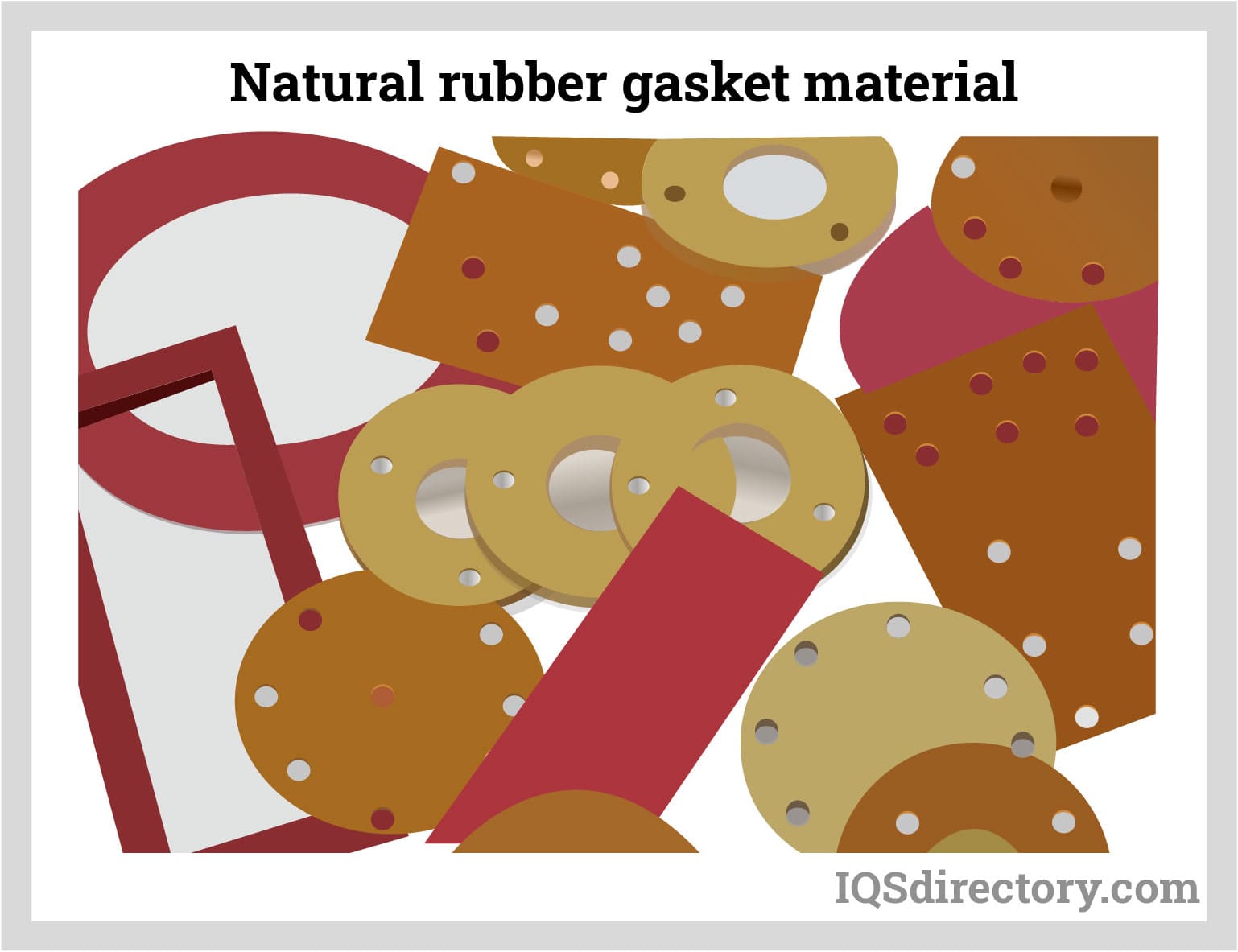
- Natural rubber: Provides good flexibility and water resistance, making it suitable for low-pressure plumbing and general sealing tasks.
- PTFE (Teflon): Known for exceptional chemical inertness and high-temperature tolerance. Teflon gaskets are ideal for pharmaceutical, chemical processing, and food and beverage industries.
- Metallic gaskets (e.g., stainless steel, copper, aluminum): Selected for high-pressure, high-temperature, and corrosive environments, such as oil & gas, power generation, and marine industries.
- Non-asbestos materials (e.g., fiberglass, ceramics, Kevlar, aramid fibers): Provide heat resistance and mechanical strength without the health hazards of asbestos.
- Foam and sponge rubber (open/closed-cell silicone, EPDM, neoprene): Used for gasketing where compression and flexibility are needed, such as electronics, automotive interiors, and appliances.
- Specialty composites: Combine properties of multiple materials for unique performance needs, such as chemical compatibility and extreme temperature resistance.
Curious about material compatibility for your specific operating environment? Ask a gasket expert for recommendations on the best material for your application.
Considerations and Customization
Every application has unique requirements. Manufacturers offer custom gasket solutions tailored to precise shapes, sizes, and material properties. Customizations may include:
- Textured surfaces (tapering, grooving, ridging) for improved grip and sealing
- Specialty coatings for enhanced chemical or temperature resistance
- Pre-applied adhesives for easy installation
- Color coding for quick identification in maintenance operations
- Unique geometries for non-standard or proprietary equipment
Get a quote for a custom gasket or bulk order by contacting leading manufacturers through our gasket supplier directory.
Types
Gaskets are engineered in numerous types to address varying sealing challenges, operating conditions, and regulatory standards. Here’s an overview of the most widely used gasket types and their primary industrial applications:
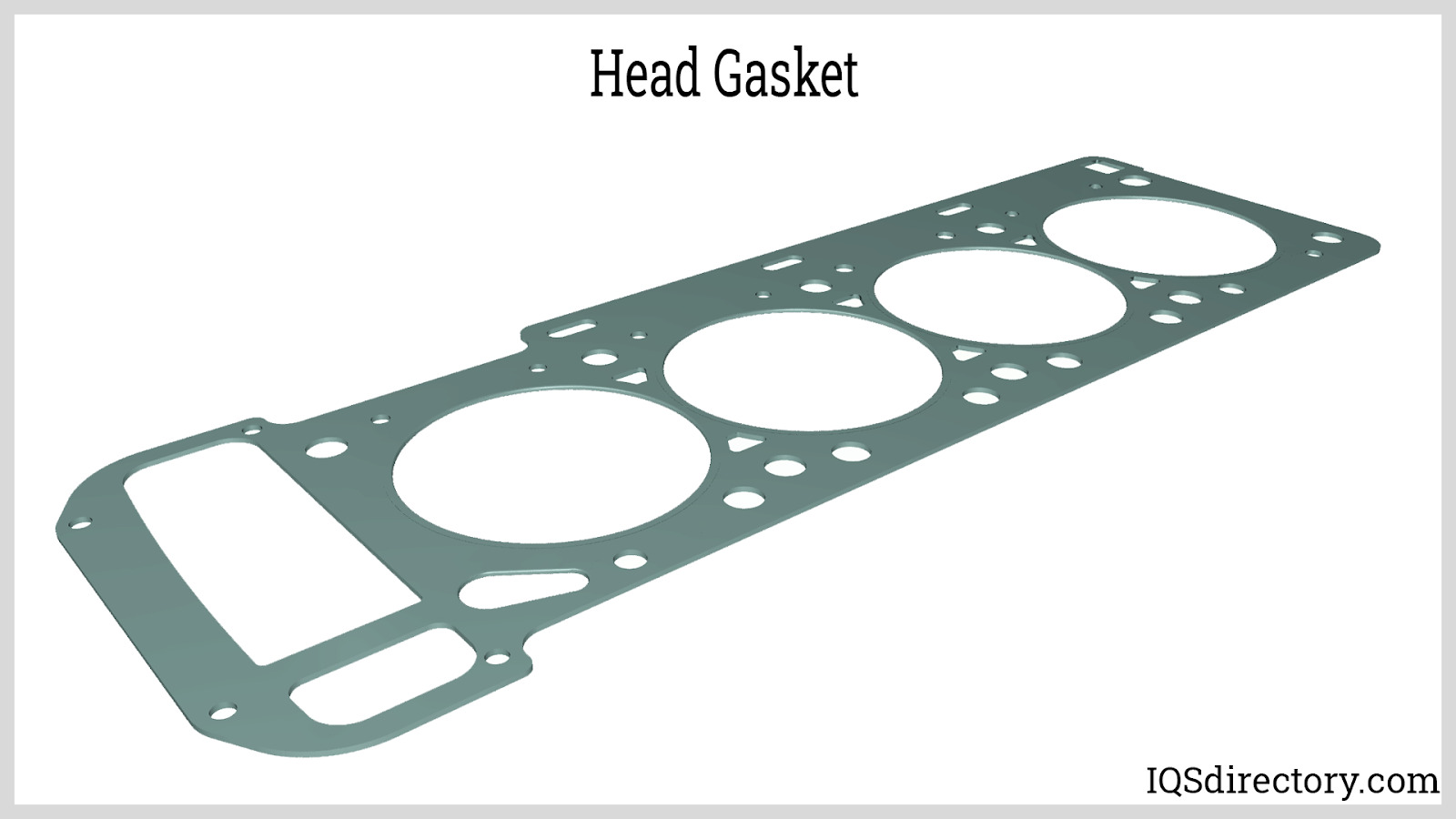
Head Gasket
Head gaskets are crucial components in internal combustion engines, sealing the interface between the engine block and cylinder head. They must withstand high temperatures, extreme pressures, and exposure to fuels and coolants. Choosing the right head gasket is essential to prevent leaks, maintain compression, and ensure engine reliability in automotive, marine, and heavy equipment applications.
Shim
Shims are flat gaskets, often made from metal, used to fill gaps or enhance sealing between surfaces. Commonly used in manufacturing, machining, and alignment, shims help achieve precise tolerances and reduce vibration.
O-Ring
O-rings are circular gaskets known for their simplicity and versatility. Their ability to provide reliable sealing in both static and dynamic applications makes them a top choice for hydraulic cylinders, pneumatic systems, pumps, and rotating shafts. O-rings are available in a wide range of materials to suit various chemical and temperature requirements.
Flange Gasket
Flange gaskets feature projecting lips or rims that enhance their attachment and sealing capabilities. These gaskets are used to seal pipe flanges, valve covers, and pressure vessels, and are commonly specified in the oil & gas, chemical processing, and power generation sectors.
Cylinder Head Gasket
Often synonymous with head gaskets, cylinder head gaskets are specifically engineered for internal combustion engines. They prevent leaks of engine oil, coolant, and combustion gasses, maintaining optimal engine performance and preventing costly repairs.
Jacketed Gasket
Jacketed gaskets combine a metallic outer layer (single or double jacketed) with a soft filler core, typically made from rubber or PTFE. This construction offers superior strength, durability, and resistance to high temperatures and aggressive chemicals, making jacketed gaskets ideal for heat exchangers, boilers, and pressure vessels in petrochemical and power industries.
Intake Manifold Gasket
Intake manifold gaskets seal the connection between the intake manifold and engine, preventing air and fuel leaks. Quality intake manifold gaskets are vital for engine efficiency, emissions control, and performance in automotive and truck engines.
Exhaust Gasket
Exhaust gaskets control the flow of exhaust gases from the engine to the tailpipe. They must resist extreme temperatures and corrosive exhaust byproducts, ensuring compliance with emissions standards and reliable vehicle operation.
Valve Cover Gasket
Valve cover gaskets provide a seal between the engine cylinder head and the valve cover, keeping oil contained and preventing leaks that could cause engine damage or fire hazards.
Spiral Wound Gasket
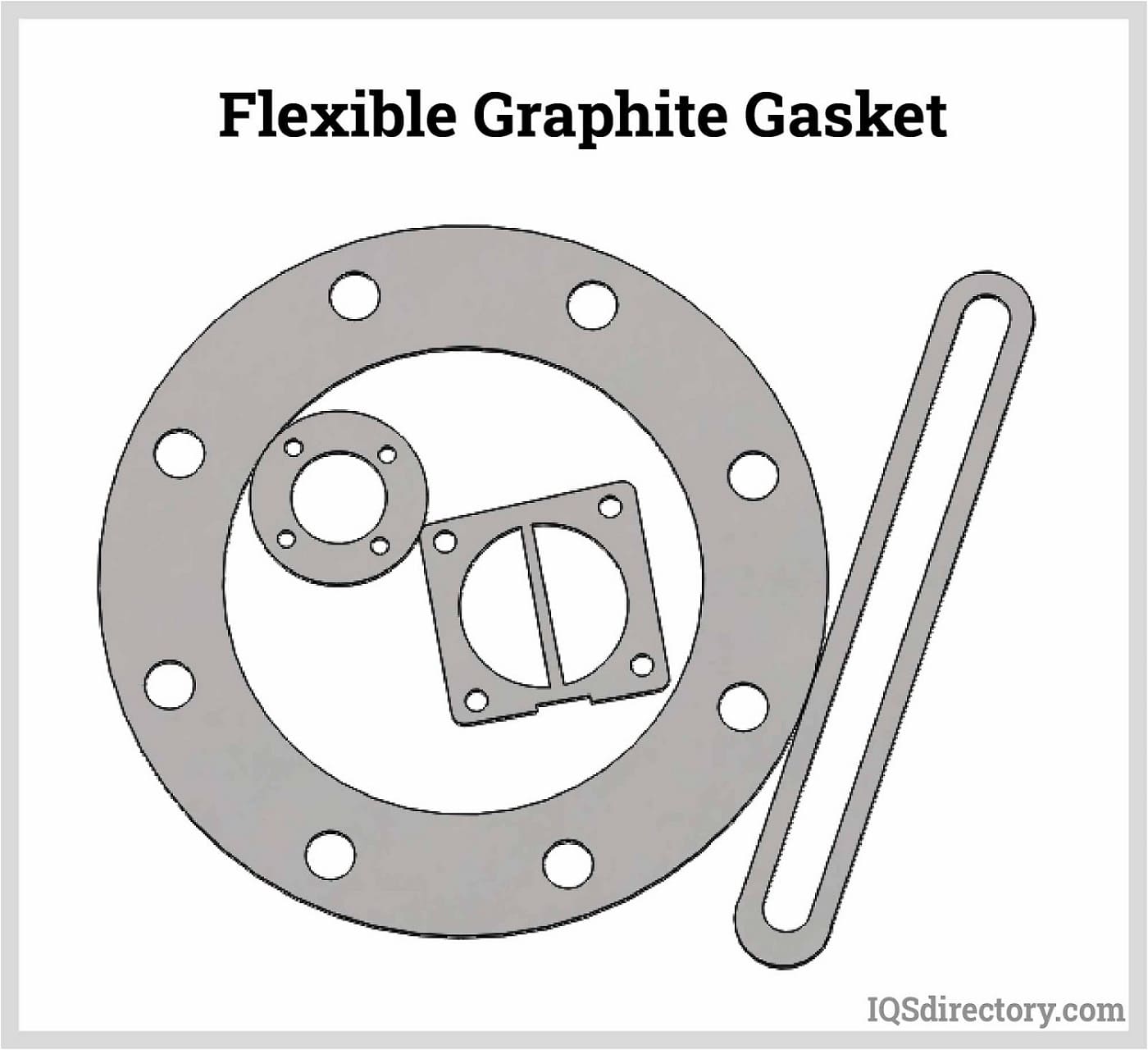
Spiral wound gaskets are constructed by winding alternating layers of metal (often stainless steel) and filler material (such as graphite) in a spiral pattern. They excel in high-pressure, high-temperature applications, offering resilience, recovery, and adaptability to flange imperfections. Industries such as petrochemical, power generation, and refining rely on spiral wound gaskets for critical connections.
Silicone Gasket
Silicone gaskets are renowned for their wide temperature tolerance, from -140°F to 480°F, and their resistance to UV and ozone exposure. They’re the go-to choice for electronics enclosures, food-grade applications, and outdoor equipment exposed to harsh weather.
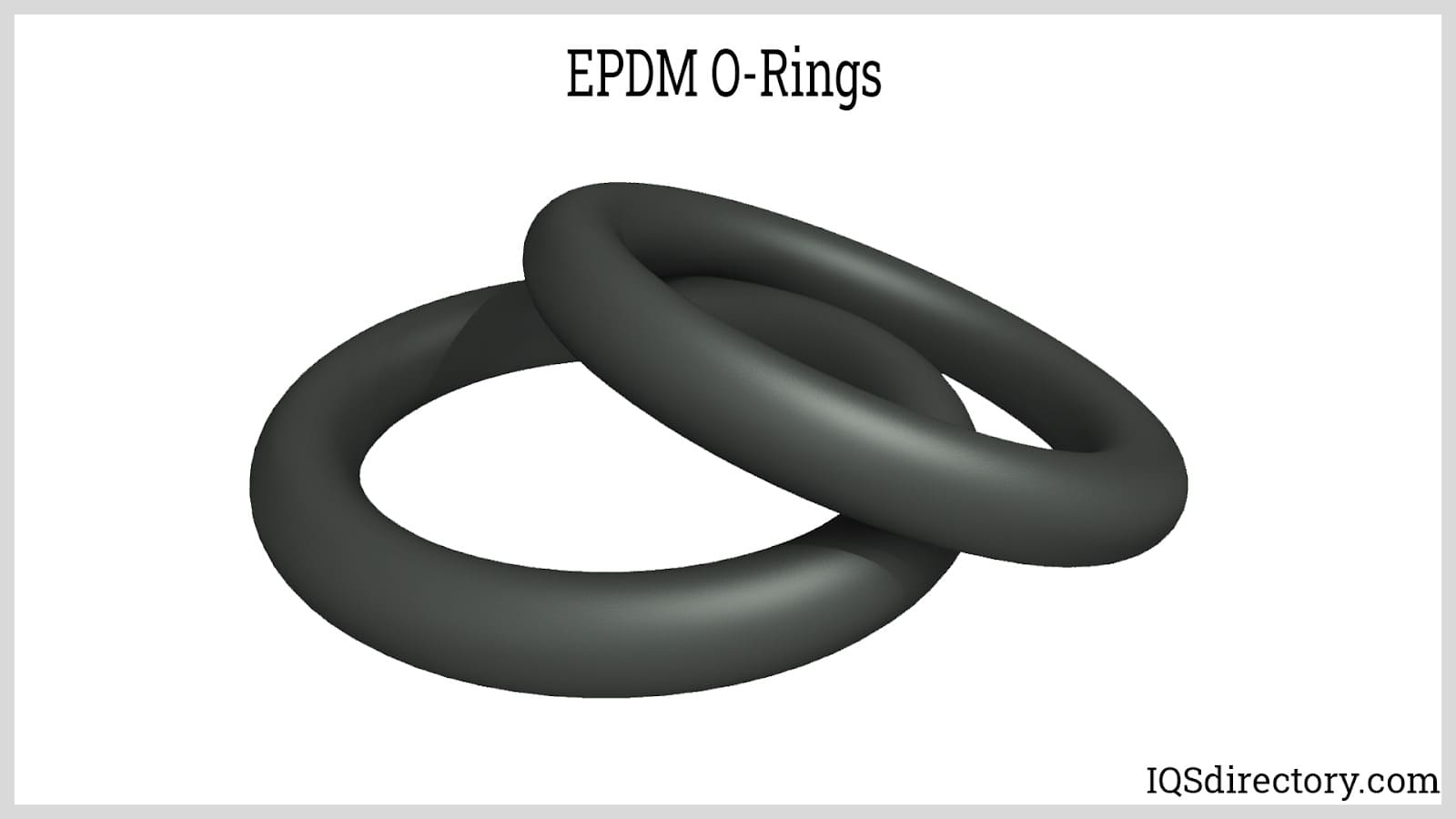
EPDM Gasket
EPDM gaskets are valued for their resistance to ozone, UV, water, and steam. Commonly found in automotive weatherstripping, HVAC systems, and potable water applications, EPDM gaskets deliver reliable performance in challenging environments.
Neoprene Gasket
Neoprene gaskets offer excellent durability, oil and chemical resistance, and flexibility. Industries including automotive, refrigeration, and construction turn to neoprene for reliable sealing in variable temperature and chemical environments.
Looking for a specific gasket type for your application? Browse our manufacturer listings for tailored solutions.
Benefits of Gaskets
Why choose gaskets over other sealing solutions? Gaskets offer a unique combination of advantages that make them the preferred choice in many scenarios:
- Leak prevention: Gaskets maintain a tight seal between mating surfaces, preventing leaks of fluids, gases, and contaminants.
- Vibration dampening: Rubber and elastomeric gaskets absorb vibrations, protecting sensitive machinery and reducing noise.
- Pressure and temperature resistance: Metal and composite gaskets withstand extreme conditions, enabling safe operation in high-pressure and high-temperature environments.
- Chemical compatibility: Gaskets can be formulated for resistance to aggressive chemicals, acids, solvents, and fuels.
- Cost-effectiveness: Compared to mechanical seals, gaskets are often more affordable to produce, install, and replace, especially for static sealing applications.
- Customizability: Gaskets can be engineered to fit any shape, size, or performance requirement, making them suitable for standard and highly specialized uses.
When should you use a gasket versus a liquid sealant, O-ring, or mechanical seal? Consider the nature of the surfaces, required compression, operating temperature and pressure, and the need for frequent assembly or disassembly. Gaskets are often ideal for irregular shapes, large surface areas, and where ease of maintenance is a priority.
Have questions about which gasket type or material is best for your project? Ask our experts for personalized recommendations.
Accessories
Maximize gasket performance and longevity with the right accessories. Common gasket accessories include:
- Gasket sealants: Fill minor imperfections between surfaces, improving seal reliability and adaptability. Essential in critical sealing applications where surface roughness is a concern.
- Rubber protectants: Shield rubber gaskets from environmental damage such as UV rays, ozone, and heat, prolonging service life and maintaining flexibility.
- Wax lubricants: Applied to gasket surfaces to facilitate installation and removal, prevent sticking, and reduce the risk of tearing or damage.
- Adhesive backings: Pre-applied adhesives ensure quick, accurate placement, ideal for high-volume assembly or automated manufacturing.
- Anti-seize compounds: Applied to metal gaskets in high-temperature settings to prevent galling and facilitate easier maintenance.
Wondering where to purchase gasket accessories or which are compatible with your gasket material? Contact a supplier for product guidance and sourcing options.
Installation
Proper gasket installation is key to achieving optimal sealing performance and extending gasket life. Follow these best practices:
- Thoroughly clean mating surfaces to remove all moisture, oil, dirt, and previous gasket residue.
- Lay the mating surface flat and inspect for imperfections or damage.
- Optional: Apply a thin, even layer of pressure-sensitive adhesive or compatible gasket sealant to enhance bonding and sealing.
- Align and gently place the gasket on the surface, ensuring proper orientation and coverage.
- Press the gasket in place, applying continuous adhesive as needed to secure the seal.
- Attach the counterpart surface, tightening bolts or fasteners incrementally and in a crisscross pattern to ensure even compression without distortion.
- If adhesive is used, allow it to cure fully before applying pressure or starting equipment.
Improper installation can lead to leaks, premature gasket failure, or equipment damage. For complex or high-stakes applications, always consult your gasket manufacturer’s installation guidelines or request on-site technical support.
Have a challenging installation environment or unique assembly requirement? Find a manufacturer with installation expertise for your industry.
Proper Care for Gaskets
Maintaining gaskets is essential for equipment reliability, safety, and cost control. Here are key best practices for gasket care and maintenance:
- Storage: Store gaskets in a clean, dry, and temperature-controlled environment, away from direct sunlight and sources of ozone or heat. This prevents premature aging and material degradation.
- Handling: Handle gaskets with care to avoid nicks, cuts, or deformation. Use proper tools and avoid excessive bending or stretching, which can compromise sealing ability.
- Lubrication: Apply compatible lubricants such as wax solutions to facilitate installation and prevent adhesion to mating surfaces, but avoid petroleum-based products with rubber gaskets unless specified by the manufacturer.
- Regular inspection: Check gaskets periodically for signs of wear, chemical attack, compression set, or damage. Replace gaskets showing any sign of compromise before leaks or failures occur.
- Documentation: Keep maintenance records to track gasket replacement intervals and material performance, supporting predictive maintenance and reducing unplanned downtime.
Improper care—such as poor storage, rough handling, or neglecting inspections—can lead to gasket failure, resulting in leaks, safety hazards, product loss, or environmental contamination. A disciplined maintenance program protects your investment and ensures ongoing operational excellence.
Need expert advice on gasket care for your industry? Consult a specialist for tailored maintenance protocols.
Standards
Gasket manufacturing and usage are governed by rigorous industry standards to ensure safety, compatibility, and performance. Depending on your application, you may need gaskets certified to:
- FDA (Food and Drug Administration): Required for food, beverage, and pharmaceutical applications to ensure material safety and compliance.
- Mil-Spec: U.S. Department of Defense standards for military and aerospace uses, specifying material properties, dimensions, and performance criteria.
- ANSI/ASME/ASTM: American standards for industrial gaskets, covering materials, dimensions, and testing protocols.
- DIN/PN: European standards used in the EU for pipe flanges and gasket dimensions.
- BS10: British and Australian standards for flange gaskets.
- JIS/KS: Japanese and South Korean specifications for various gasket types.
- ISO: International Organization for Standardization, providing worldwide harmonization and acceptance of gasket materials and testing procedures.
Not sure which certifications or standards your application demands? Connect with certified manufacturers for guidance on regulatory compliance.
How to Choose the Right Manufacturer
Although gaskets may seem like small components, their quality and suitability can make or break your system’s performance. Selecting the right gasket manufacturer is crucial for ensuring consistency, reliability, and compliance with application requirements. Here’s how to make the best choice:
- Review manufacturer credentials, industry experience, and certifications relevant to your industry.
- Assess their customization capabilities—can they produce bespoke gaskets for unique designs or challenging environments?
- Evaluate their quality control processes, material sourcing, and adherence to relevant standards (FDA, ISO, Mil-Spec, etc.).
- Request references or case studies from similar industries or applications.
- Compare lead times, support services, and pricing to ensure alignment with your operational needs.
Ready to start your search for a trusted manufacturer? Explore our curated listings of leading gasket suppliers. Review their profiles, capabilities, and product offerings to find the perfect partner for your project. For best results, select several candidates, request detailed quotes, and discuss your requirements—such as material preferences, dimensional tolerances, compliance needs, delivery timelines, and budget.
After gathering responses, analyze each proposal based on quality assurance, technical support, customization options, and value. A reputable manufacturer will work with you to optimize your design, recommend the best materials, and ensure reliable, on-time delivery—whether you need standard gaskets in bulk or specialized, high-performance solutions.
Frequently Asked Questions
- What gasket material is best for high-temperature applications? – Explore silicone, Viton, graphite, and metal gaskets for use in extreme heat. Contact an expert for recommendations.
- How do I select a gasket for chemical resistance? – Consider PTFE (Teflon), Viton, or specialty composite gaskets. Get a material compatibility analysis.
- Can I order custom gasket shapes and sizes? – Yes! Leading manufacturers offer complete customization to fit unique geometries and requirements.
- Where can I find replacement gaskets for legacy equipment? – Many suppliers offer reverse engineering and custom manufacturing for obsolete or hard-to-find gaskets.
- What are the best practices for gasket installation and maintenance? – Always clean surfaces, use proper torque, and follow manufacturer guidelines. Read more in our installation section or consult a supplier.
Still have questions? Reach out to our gasket specialists for expert support on all aspects of gasket selection, sourcing, and application.
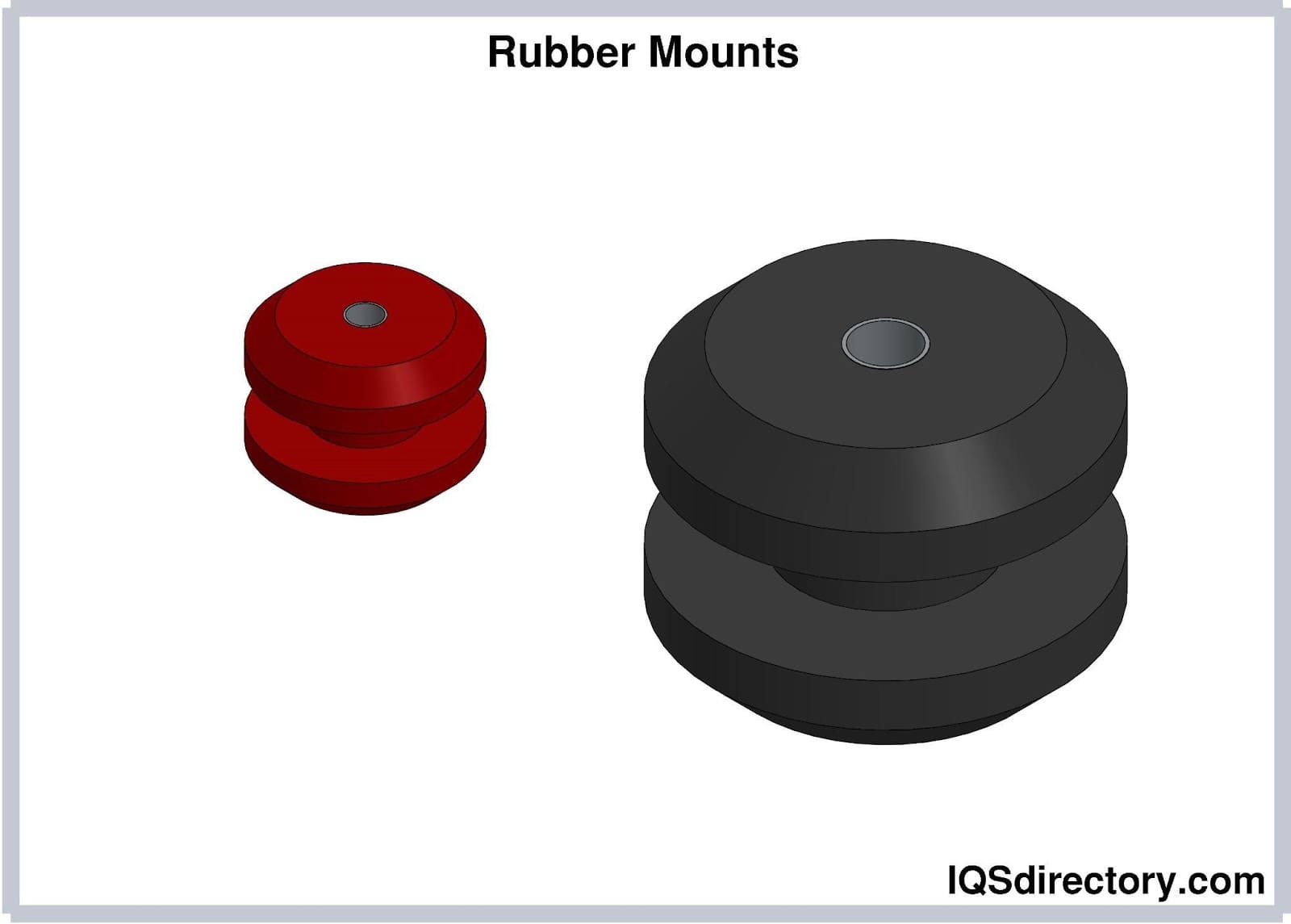
 Die Cutting
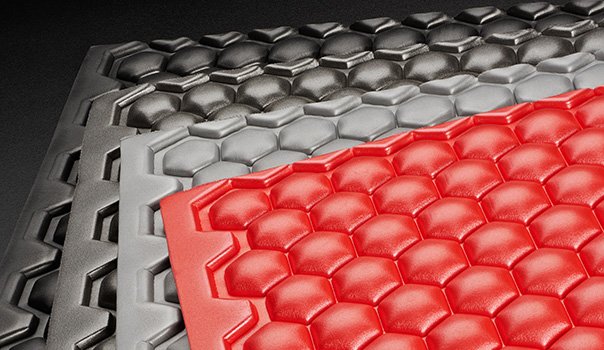 Foam Fab
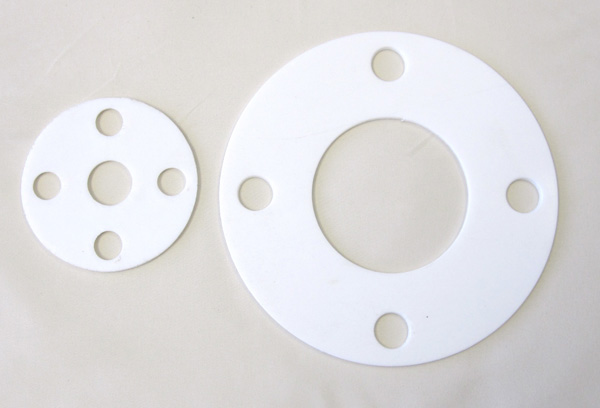 Gaskets
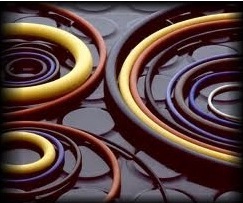 O-rings
 Plastic Fabricators
 Tape Suppliers
 Castings & Forgings
 Bulk Material Handling
 Electrical & Electronic Components
 Flow Instrumentation
 Hardware
 Material Handling Equipment
 Metal Cutting Services
 Metal Forming Services
 Metal Suppliers
 Motion Control Products
 Plant & Facility Equipment
 Plant & Facility Supplies
 Plastic Molding Processes
 Pumps & Valves
 Recycling Equipment
 Rubber Products & Services