Exhaust system gaskets reduce noise, prevent hot exhaust gasses from entering the vehicle, and aid in the maintenance of proper system pressure. The failure of exhaust gaskets may jeopardize both driveability and safety. Read More…
Phelps Industrial Products is a major manufacturer, fabricator and distributor for a wide range of industries throughout the world. We employ a wide range of both computerized high speed and manual equipment to fulfill the toughest demands. We also have a wide range of compressed, elastomeric and non-elastomeric materials available. Since our founding in 1945, we have taken great pride in our...
REDCO is your complete source for molded gaskets or die cut gaskets, using a wide range of materials. We pride ourselves on just-in-time delivery and practice a "zero-defect" policy. Since our founding in 1948, it has been our goal to be a one-stop place for your gasket needs.
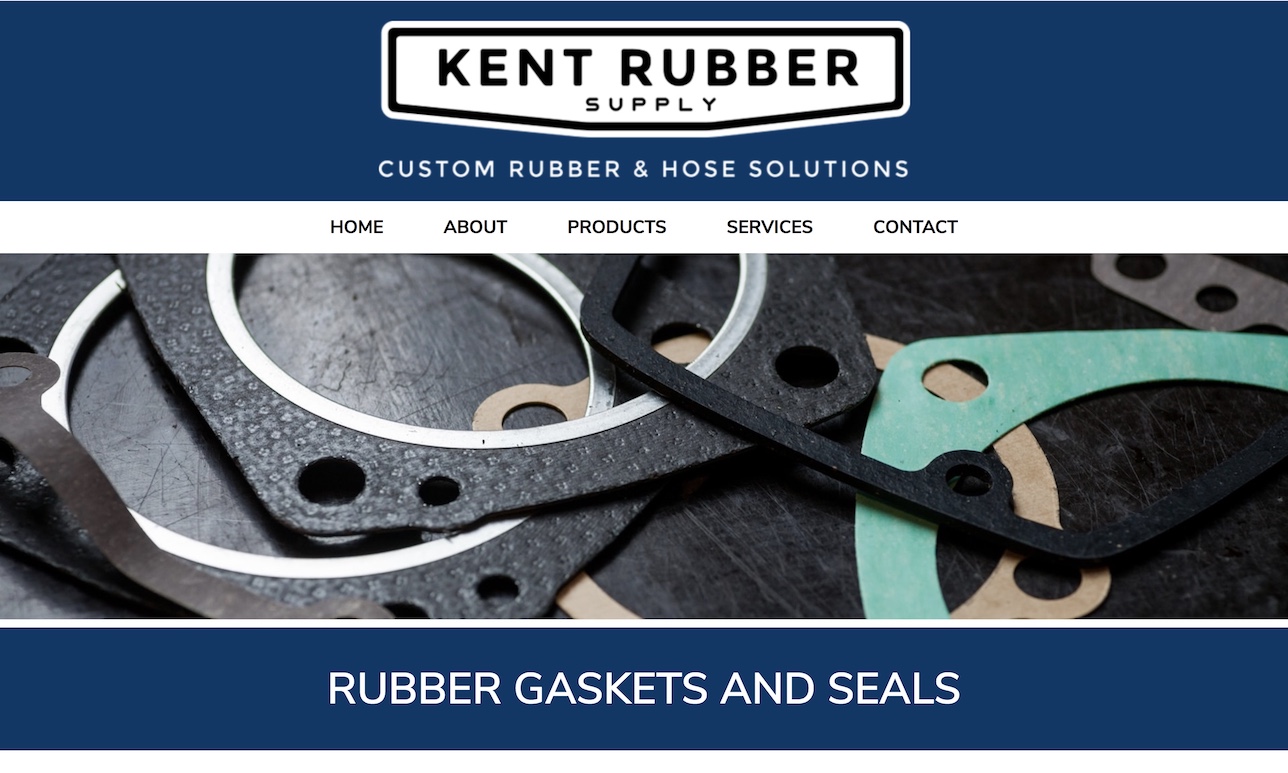
Since 1946, Kent Rubber Supply has been providing the industry with state-of-the-art gaskets. Leveraging the best equipment and the most skilled staff, we ensure we continuously meet our customers unique needs—both domestic and offshore. Our team is capable of prototyping, samples, low-run, or large-volume production. We are confident that our high-tech, industry-leading precision equipment can ...
Since 1979, gaskets have been the focus of our company. VSP Technologies is an award-winning company, innovating new gasket technologies and solutions since our inception. We pride ourselves on our ability to problem-solve and create long-term, comprehensive solutions to fit our customers needs. Our patented designs and experienced specialists are here and ready to serve you! Call us at...

RD Rubber Technology Corp is an ISO 9001:2015 / AS9100:2016 certified and ITAR registered company. We offer compression, transfer, injection and Liquid Injection molding, rubber to metal bonding, engineering support, tooling design, machining and more. Our customers rely on us to give them the best possible production gaskets. From aerospace to medical, food processing to military applications we ...
Arizona is your complete source for standard and custom gaskets, o-rings, seals and more since 1989. Call Arizona Sealing Devices first to solve your die cut gasket needs and you’ll receive same day shipping on stock items plus full custom capabilities. Mylar, Vellumoid & many more gasket materials can be made to your specs utilizing close tolerance laser dies. No order is too small!

Whether your requirements for custom extruded parts are large or small, multi-dimensional or simple, our engineers will help in finding the solution to meet your needs here at National Rubber Corporation. Gaskets are a vital part of many industrial applications, including every version of pipe and tube system. National Rubber extruded parts meet FDA, ASTM, NSF, UL, AMS, high temperature and other ...

As a supplier of gaskets since 1977, Gardico is dedicated to customers in all industrial sectors needing standard & custom gaskets of superior workmanship. Gardico works with a variety of foam, fiber, felt, cork, plastics, metals & numerous other materials to meet all of their customers’ needs.
CFS produces industrial masking products and flexible, converted materials such as gaskets, spacers, thermal pads, and EMI shielding for finishers, OEMs, and related suppliers. Please visit customfabricate.com to request information or to browse our selection of products online.



More Exhaust Gasket Manufacturers
What are Exhaust Gaskets?
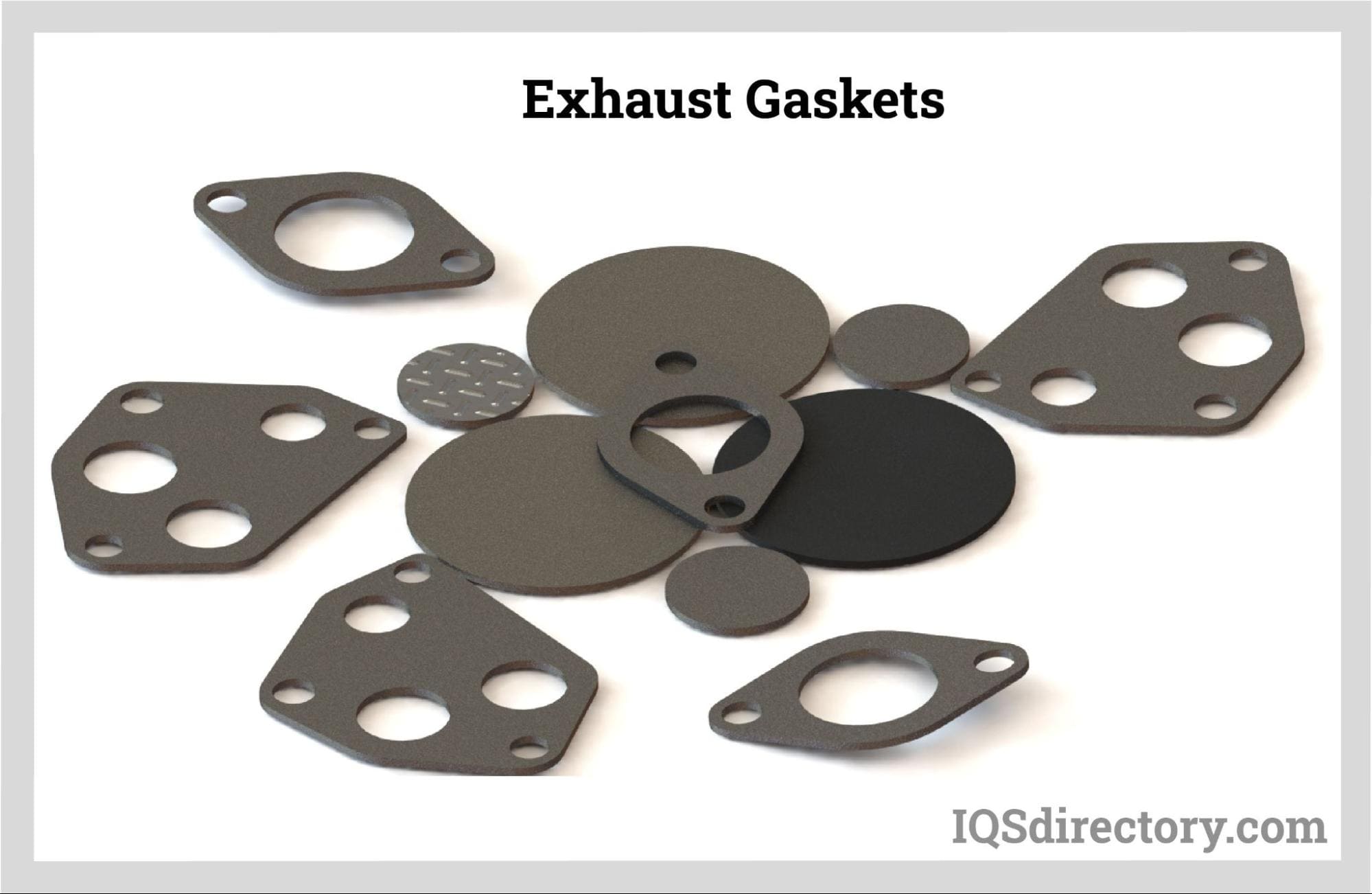
Exhaust system gaskets are critical components in modern automotive engineering, designed to create airtight seals within the exhaust system to prevent exhaust gas leaks, minimize noise, and maintain optimal system pressure. By ensuring that hot exhaust gases do not seep into the vehicle’s cabin, these gaskets play a vital role in both vehicle safety and driveability. A failing exhaust gasket can result in hazardous gas leaks, engine performance issues, and increased emissions, all of which can compromise driver and passenger safety.
Exhaust gaskets seal the connection points between various sections of the exhaust system—such as the exhaust manifold, downpipe, header, and catalytic converter—ensuring that exhaust gases exit the engine efficiently and remain contained within the exhaust tract until safely released through the tailpipe. Upon combustion, gases flow from the engine into the intensely hot exhaust manifold, pass through a network of pipes, mufflers, and catalytic converters, and are ultimately expelled from the vehicle. The integrity of these pathways depends heavily on high-performance exhaust gaskets.
Keyword-rich prompt: What is the function of an exhaust gasket in automotive exhaust systems? How do you identify when an exhaust gasket needs replacement?
Types of Exhaust Gaskets
There are several types of exhaust gaskets, each engineered for specific sections of an exhaust system. Understanding the differences between these gasket types can help vehicle owners, mechanics, and automotive engineers select the right component for their requirements. The most common types of exhaust gaskets used in cars, trucks, and commercial vehicles include:
- Exhaust Manifold Gasket
- Exhaust Flange Gasket
- Exhaust Header Gasket
- Donut Gasket
- Collector Gasket
Exhaust Manifold Gasket
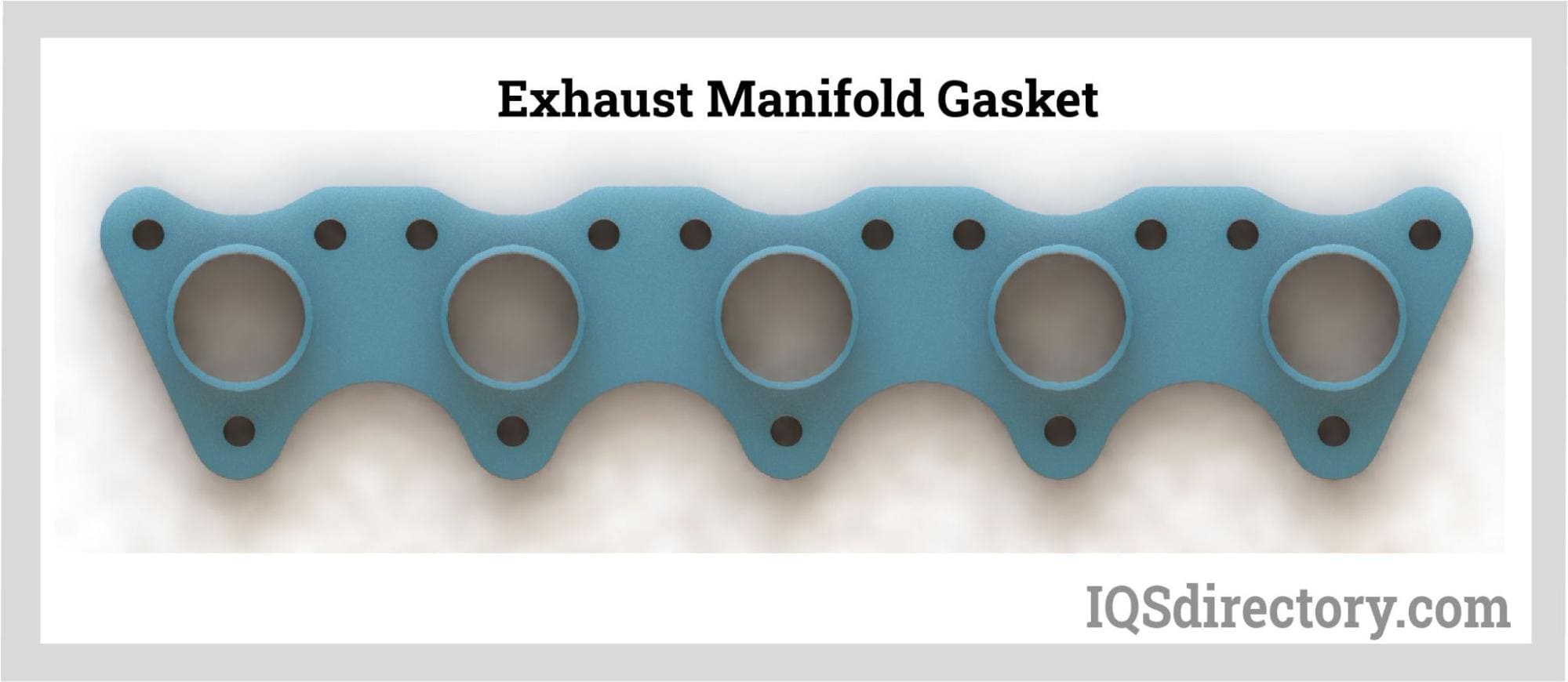
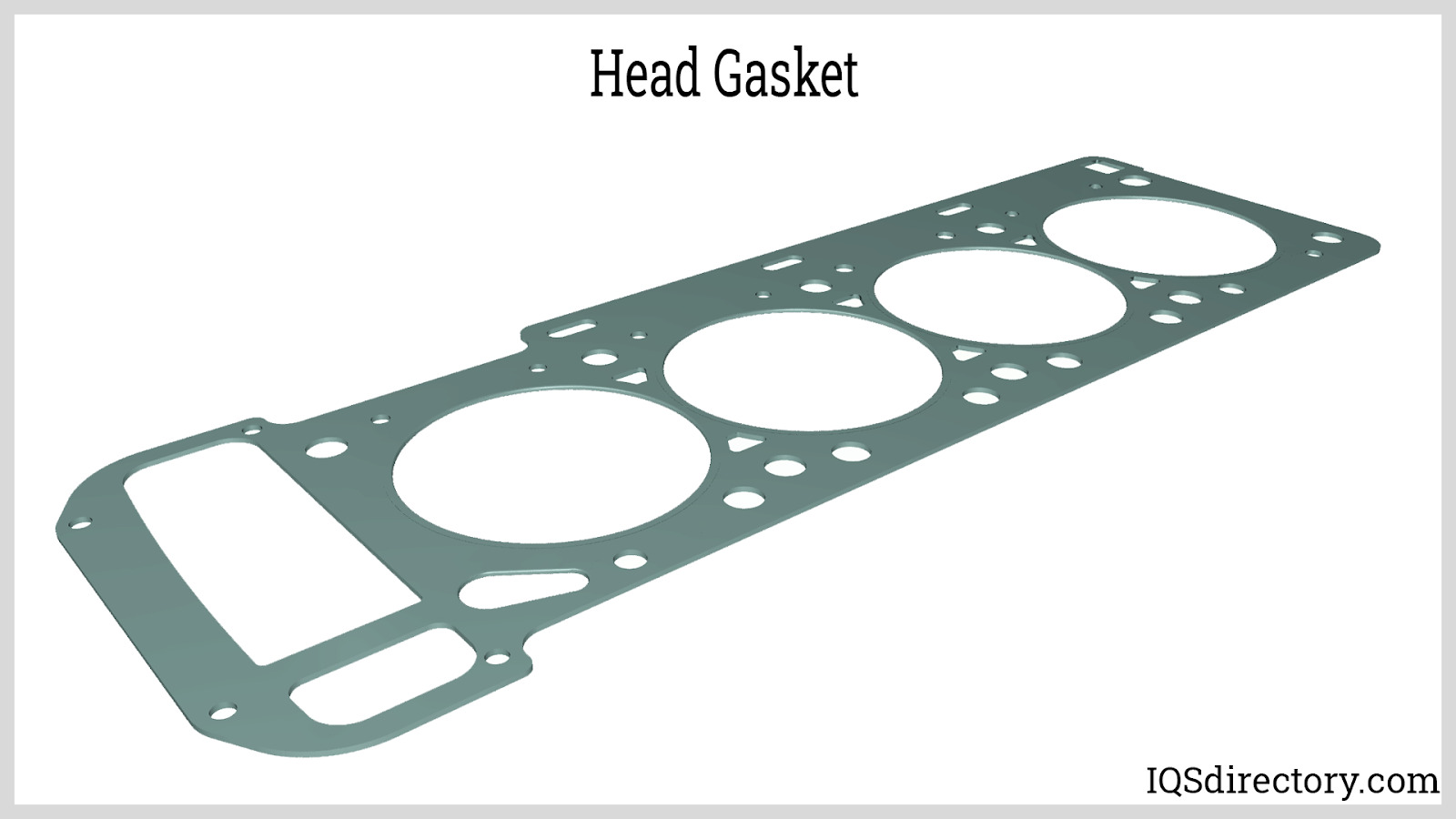
An exhaust manifold gasket is positioned between the engine’s cylinder head and the exhaust manifold. This gasket serves a dual purpose: it prevents the escape of exhaust gases and protects the cylinder head from the intense heat generated by combustion. By forming a secure seal, the manifold gasket allows the exhaust manifold to efficiently collect and direct waste gases away from the engine block, promoting smoother engine function and reducing the risk of engine misfires or backpressure issues.
This process is analogous to the human respiratory system: as the engine combusts fuel and air, it expels waste gases, much like exhaling. The exhaust manifold gasket ensures this "breath" is efficiently expelled, preventing leaks that could cause dangerous temperature spikes, decreased power output, or even damage to the catalytic converter.
High-quality manifold gaskets are often constructed from multi-layered steel (MLS), graphite, or composite materials to withstand the extreme thermal cycles and pressures found at the engine’s exhaust port. This durability is crucial for both high-performance and standard vehicles, especially those operating under heavy loads or at high RPMs.
Exhaust Flange Gasket
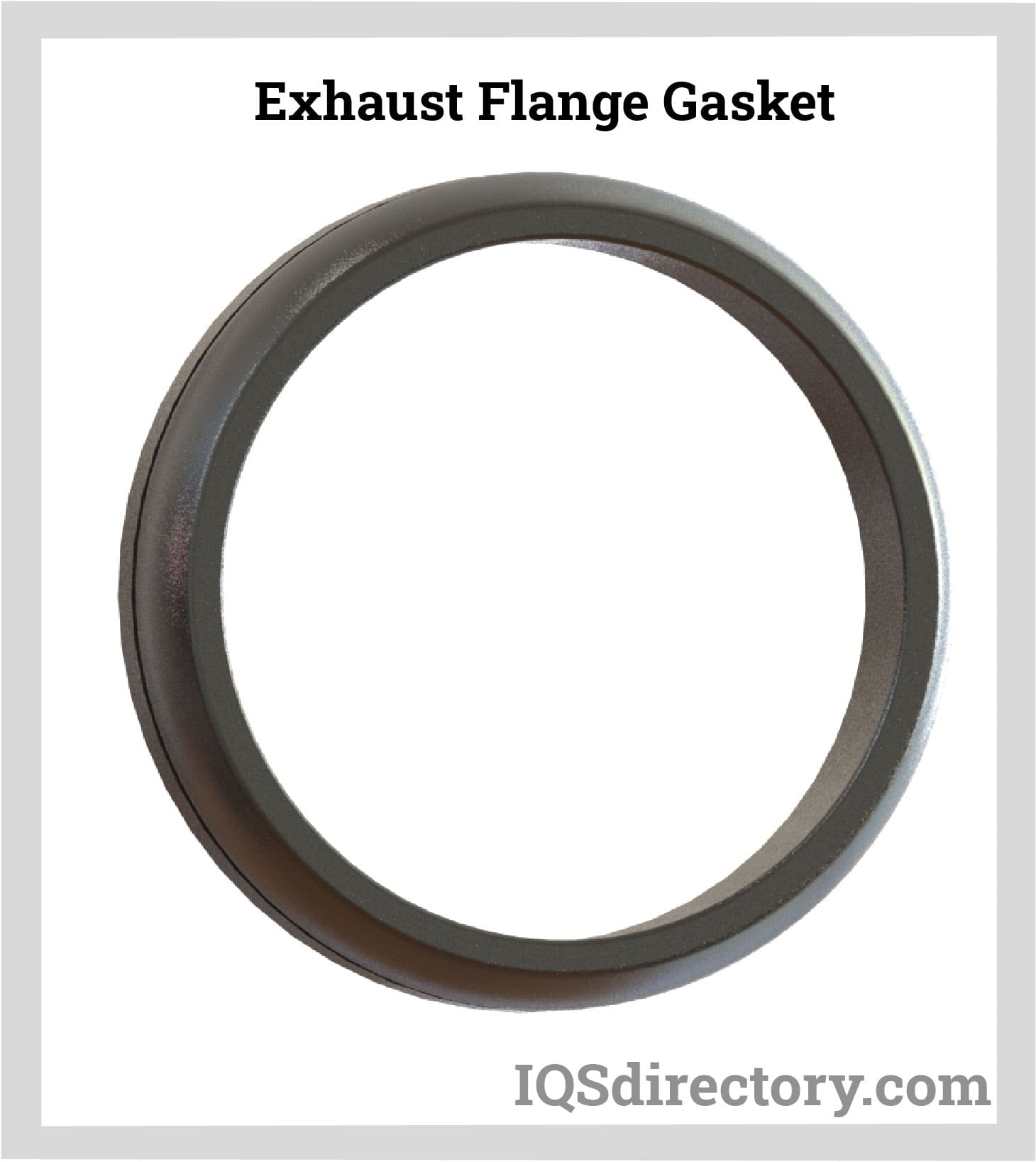
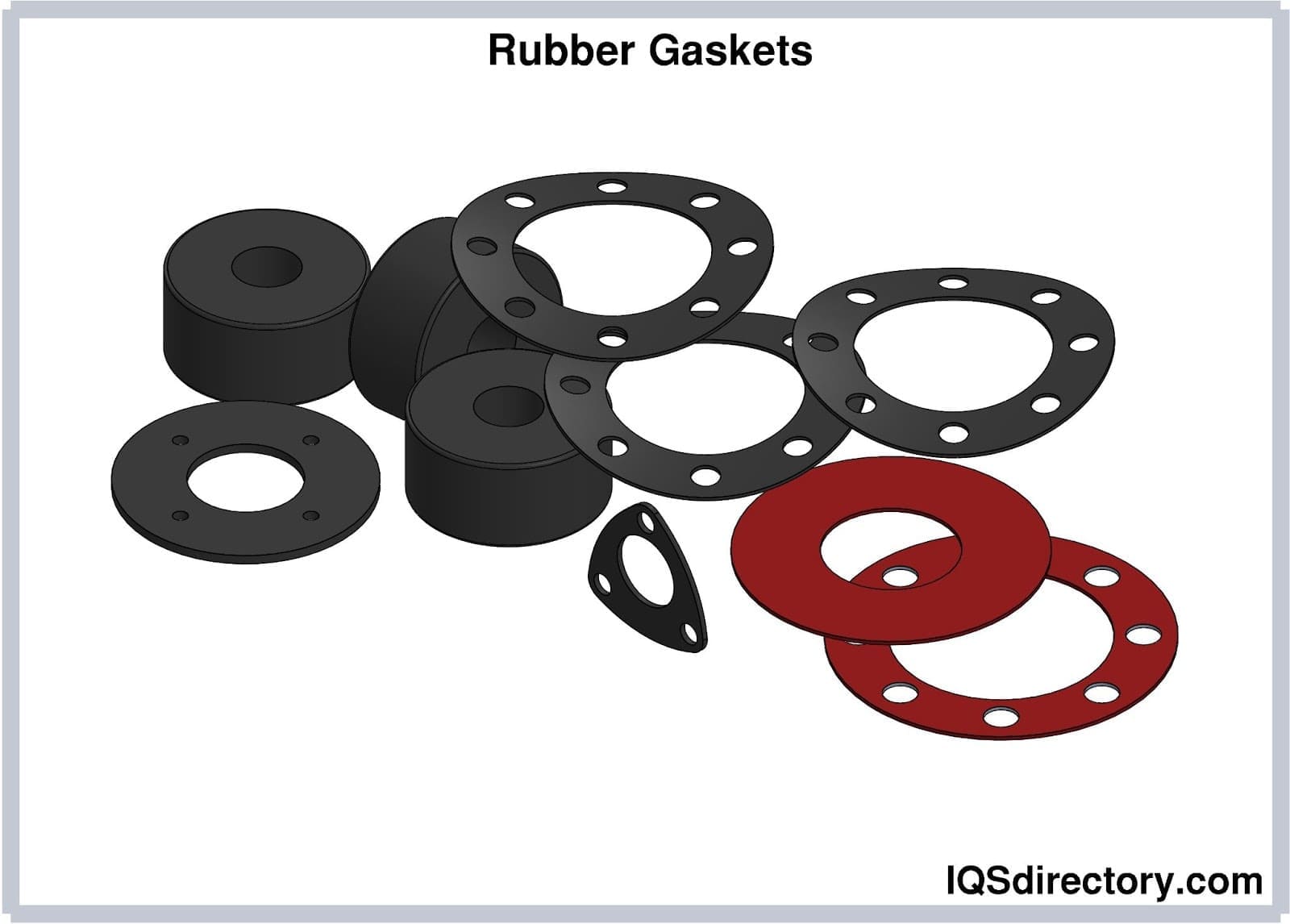
The exhaust flange gasket, sometimes known as a donut gasket, is typically installed between the catalytic converter and header pipe or between sections of exhaust piping. Its main function is to provide a flexible, leak-proof connection that accommodates vibrations, thermal expansion, and slight misalignments between metal parts. These gaskets are commonly made from high-temperature resistant materials such as steel, graphite, rubber, or ceramic fiber, ensuring durability and long-term performance in harsh environments.
Flange gaskets play a crucial role in maintaining exhaust backpressure, optimizing gas flow, and ensuring that emissions control systems like the catalytic converter operate effectively. A damaged or degraded flange gasket can lead to exhaust leaks, increased emissions, and failed vehicle inspections.
Exhaust Header Gasket
Header gaskets are designed for high-performance engines or vehicles equipped with aftermarket exhaust headers. These gaskets are typically made from compressed fiber, copper, or multi-layered steel to resist high heat and pressures generated by performance exhaust systems. Their precision die-cut construction ensures a perfect fit between header flanges and cylinder heads, preventing leaks that could cause engine knocking, loss of horsepower, or reduced fuel efficiency.
Proper installation of header gaskets is essential for performance vehicles, race cars, and custom exhaust systems, where even minor leaks can impact engine tuning and overall driving experience.
Donut Gasket
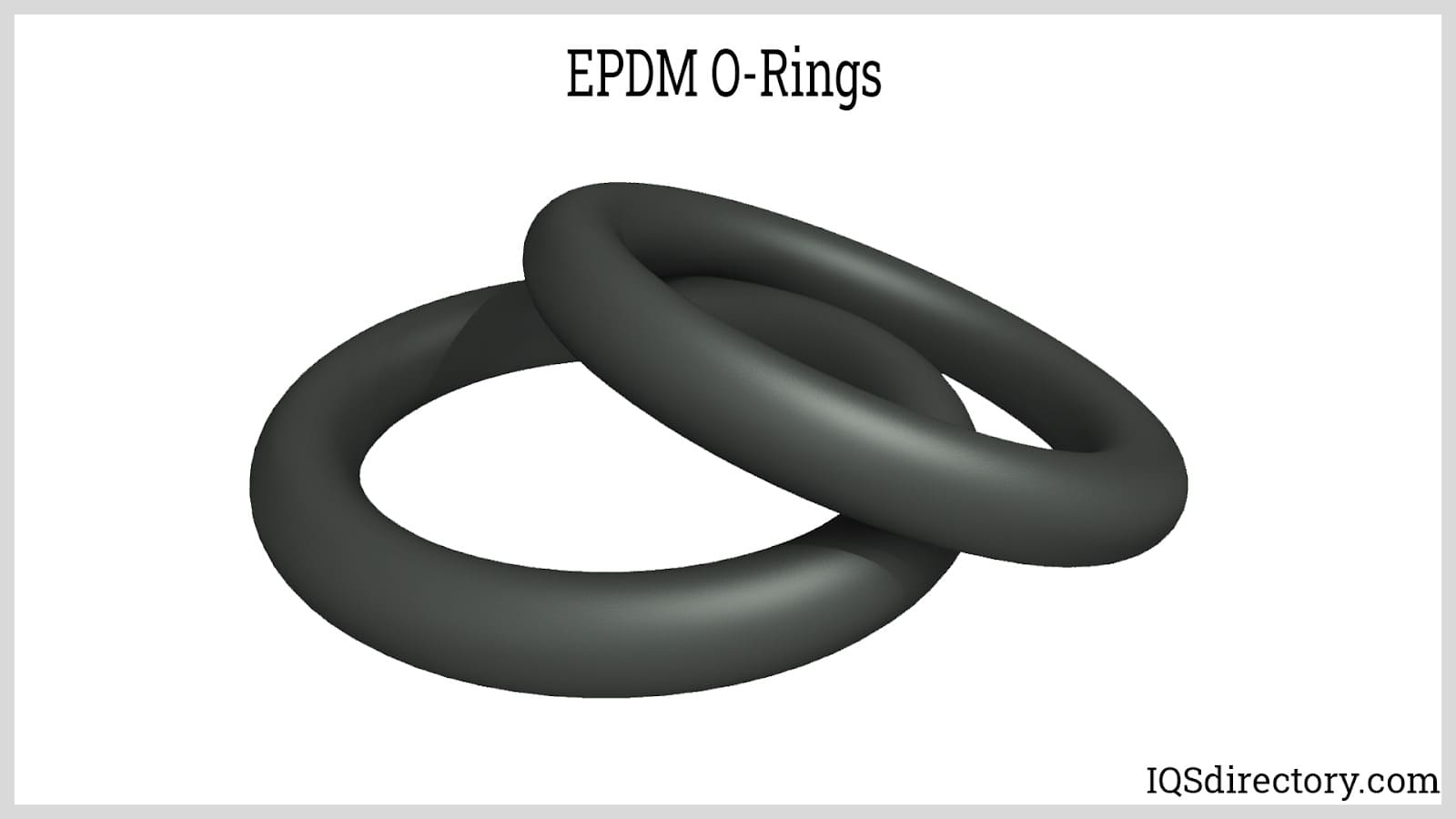
An exhaust donut gasket is a ring-shaped component commonly used at pipe-to-pipe or pipe-to-manifold connections. Its rounded design allows for some flexibility and compression, making it ideal for sealing joints that experience frequent movement or expansion/contraction due to temperature changes. Donut gaskets are often found in the joint between the exhaust manifold and the downpipe or at the connection between sections of the exhaust system.
Collector Gasket
Collector gaskets are used at the junction where several exhaust pipes merge into a single collector pipe. These gaskets are engineered to withstand the combined heat and vibration of multiple exhaust streams, ensuring a tight seal and efficient gas flow in high-performance and racing applications.
Applications of Exhaust Gaskets
Exhaust gaskets are indispensable across a wide range of automotive, industrial, and commercial vehicle applications. They are essential in systems designed to control emissions, manage noise, and ensure the safe expulsion of poisonous gases such as carbon monoxide. Some of the most common applications for exhaust gaskets include:
- Passenger cars (sedans, hatchbacks, SUVs)
- Light and heavy-duty trucks
- Motorcycles and ATVs
- Commercial vehicles (buses, delivery vans)
- Performance and racing vehicles
- Off-road and agricultural machinery
- Industrial engines and generators
In emissions systems, exhaust gaskets ensure the proper containment and routing of exhaust gases to catalytic converters and mufflers, supporting compliance with environmental regulations. Vehicles with multiple cylinders—such as V6, V8, or inline-four engines—rely on exhaust gaskets at each connection point to prevent leaks and maintain optimal backpressure for engine efficiency.
For trucks, buses, and commercial fleets, selecting the right exhaust gasket is crucial for uptime and regulatory compliance. Fleet managers and mechanics must routinely inspect and replace worn gaskets to avoid costly downtime, failed emissions tests, or potential health hazards caused by exhaust leaks.
Prompt for deeper exploration: Which type of exhaust gasket is best for high-performance engines? What are the key differences between OEM and aftermarket exhaust gaskets?
Benefits of Quality Exhaust Gaskets
Investing in high-quality exhaust gaskets delivers numerous advantages for vehicle owners, fleet operators, and automotive professionals. Some of the primary benefits include:
- Enhanced engine performance: Properly sealed exhaust systems help maintain optimal backpressure, improving horsepower, torque, and fuel efficiency.
- Noise reduction: Exhaust gaskets minimize engine and exhaust noise, delivering a quieter and more comfortable cabin experience.
- Emissions control: By preventing leaks, quality gaskets support effective operation of catalytic converters and emissions systems, helping vehicles pass state and federal emissions tests.
- Safety: Gaskets prevent dangerous gases, such as carbon monoxide, from entering the vehicle’s cabin, protecting driver and passenger health.
- Longevity and durability: High-performance gasket materials withstand extreme temperatures and pressures, reducing the frequency of replacements and lowering long-term maintenance costs.
- Compatibility: With a wide range of sizes and materials available, exhaust gaskets can be tailored for OEM, aftermarket, custom, or racing applications.
Effects of Faulty Exhaust Gaskets
Loud Engine Noises
The exhaust manifold gasket is responsible for sealing the junction between the cylinder head and the manifold unit. When this gasket fails, exhaust gases may escape at high pressure, leading to noticeable hissing, spitting, or tapping sounds—especially during acceleration or cold starts. These noises are often the earliest indicators of a failing exhaust gasket and should not be ignored. Left unaddressed, the problem can escalate, causing further damage to the exhaust system or engine components.
Reduced Fuel Efficiency
One telltale sign of a faulty exhaust gasket is a sudden drop in fuel efficiency. Leaks in the exhaust system can disrupt the precise air-fuel mixture required for combustion, forcing the engine control unit (ECU) to compensate by injecting more fuel. This not only increases operating costs but can also trigger additional engine warning lights and diagnostic trouble codes (DTCs). If you notice a decline in your vehicle’s miles per gallon (MPG) or a change in exhaust odor, it may be time to have your exhaust system inspected by a professional technician.
Failed Emissions Tests and Increased Pollution
Leaking exhaust gaskets allow unfiltered, untreated exhaust gases to escape before reaching the catalytic converter. This can result in vehicles failing emissions tests, increased environmental pollution, and potential fines or penalties for non-compliance with emissions regulations. For fleet operators and commercial drivers, regular inspection and timely replacement of exhaust gaskets are critical for regulatory compliance and minimizing environmental impact.
Engine Performance and Overheating Issues
Exhaust leaks caused by damaged gaskets can lead to loss of engine power, rough idling, misfires, and even overheating of nearby engine components. Prolonged exposure to leaking exhaust gases can damage sensitive sensors such as the oxygen (O2) sensor, leading to further drivability issues.
Health and Safety Risks
One of the most serious risks associated with faulty exhaust gaskets is the potential for carbon monoxide (CO) poisoning. CO is a colorless, odorless gas that can cause dizziness, headaches, or even death with prolonged exposure. Ensuring that all gaskets are intact and functioning properly is essential for the safety of all vehicle occupants.
Use Cases: Who Needs Exhaust Gaskets?
Exhaust gaskets are indispensable for:
- Automotive repair shops and mechanics requiring reliable replacement parts for domestic and import vehicles.
- Performance automotive enthusiasts seeking gaskets capable of withstanding increased horsepower and elevated temperatures in custom builds.
- Fleet maintenance managers aiming to minimize downtime and maximize operational efficiency for commercial vehicles.
- DIY car owners conducting routine maintenance or exhaust upgrades at home.
- Automotive OEMs and aftermarket parts distributors serving a broad customer base with varying performance and regulatory requirements.
If you’re searching for “best exhaust gasket for my car,” “how to replace exhaust gaskets,” or “OEM vs aftermarket exhaust gasket,” you’re not alone. These are among the most common search queries for vehicle owners and mechanics alike. Selecting the right gasket can have a measurable impact on vehicle performance, emissions, and overall safety.
How to Choose the Right Exhaust Gasket
With a variety of exhaust gasket types, materials, and manufacturers on the market, making an informed purchasing decision is essential. Here are some key factors to consider when selecting an exhaust gasket:
- Material compatibility: Choose gaskets made from materials (e.g., multi-layer steel, graphite, copper, or composite) that match your vehicle’s performance requirements and operating conditions.
- Temperature and pressure ratings: Ensure the gasket can withstand the temperatures and pressures typical of your engine type and exhaust system configuration.
- Fitment and sizing: Select a gasket that precisely matches the dimensions of your exhaust components. Improper fitment can cause leaks or premature failure.
- OEM vs aftermarket: Decide whether original equipment manufacturer (OEM) or aftermarket gaskets are best for your application. OEM gaskets often guarantee a perfect fit, while aftermarket options may offer enhanced materials or performance benefits.
- Brand reputation and warranty: Opt for reputable brands with strong user reviews and warranty coverage to ensure long-term reliability.
- Ease of installation: For DIY installations, look for gaskets that come with clear instructions or installation hardware.
Search-style prompt: How do I know which exhaust gasket fits my vehicle? Where can I buy high-quality exhaust gaskets online?
Frequently Asked Questions About Exhaust Gaskets
- How long do exhaust gaskets last? Most exhaust gaskets last between 50,000 to 100,000 miles, depending on driving habits, vehicle type, and environmental conditions. Hard driving, extreme temperatures, or poor installation can shorten their lifespan.
- What are the signs of a blown exhaust gasket? Common symptoms include unusual engine noises, reduced fuel efficiency, a strong smell of exhaust inside the car, failed emissions tests, and visible soot around exhaust joints.
- Can I drive with a leaking exhaust gasket? Driving with a leaking exhaust gasket is not recommended. It can lead to increased emissions, engine performance issues, and serious health risks from carbon monoxide exposure.
- How much does it cost to replace an exhaust gasket? Replacement costs vary based on vehicle make and model, but typically range from $100 to $500, including parts and labor. High-performance or specialty vehicles may incur higher costs.
- Is it difficult to replace exhaust gaskets yourself? For experienced DIYers, replacing some exhaust gaskets can be straightforward. However, certain applications—such as manifold gaskets—may require specialized tools and expertise.
Selecting the Correct Exhaust Gasket Supplier
To ensure the most beneficial outcome when purchasing exhaust gaskets from an exhaust gasket supplier, it is important to compare several companies using our comprehensive directory of exhaust gasket suppliers. Each exhaust gasket supplier features a detailed business profile page that highlights their areas of experience, manufacturing capabilities, and product specialties, along with a direct contact form to request more information or a custom quote.
We recommend reviewing each exhaust gasket company’s website using our patented website preview tool. This allows you to quickly identify businesses specializing in automotive, industrial, or high-performance exhaust gaskets. Once you’ve shortlisted suppliers that align with your needs, use our convenient RFQ (Request For Quote) form to contact multiple companies simultaneously and compare pricing, lead times, and technical support.
Whether you are seeking OEM replacement gaskets for a fleet of commercial vehicles, high-performance copper or MLS gaskets for a race car, or custom exhaust gasket solutions for industrial engines, our directory connects you with top-rated manufacturers and distributors. Working with a reputable supplier ensures access to high-quality materials, technical expertise, and reliable customer service—key factors in maximizing the lifespan and performance of your exhaust system.
Action-driven prompt: Ready to source the best exhaust gaskets for your application? Browse our exhaust gasket supplier directory and request a quote today.
For additional information, technical support, or to request product samples, please contact our team. Stay informed about the latest developments in exhaust technologies, materials science, and emission regulations by subscribing to our newsletter or following our blog.

 Die Cutting
 Foam Fab
 Gaskets
 O-rings
 Plastic Fabricators
 Tape Suppliers
 Castings & Forgings
 Bulk Material Handling
 Electrical & Electronic Components
 Flow Instrumentation
 Hardware
 Material Handling Equipment
 Metal Cutting Services
 Metal Forming Services
 Metal Suppliers
 Motion Control Products
 Plant & Facility Equipment
 Plant & Facility Supplies
 Plastic Molding Processes
 Pumps & Valves
 Recycling Equipment
 Rubber Products & Services